

No one click that button!
Why the AI revolution may be, before anything else, an interface revolution.

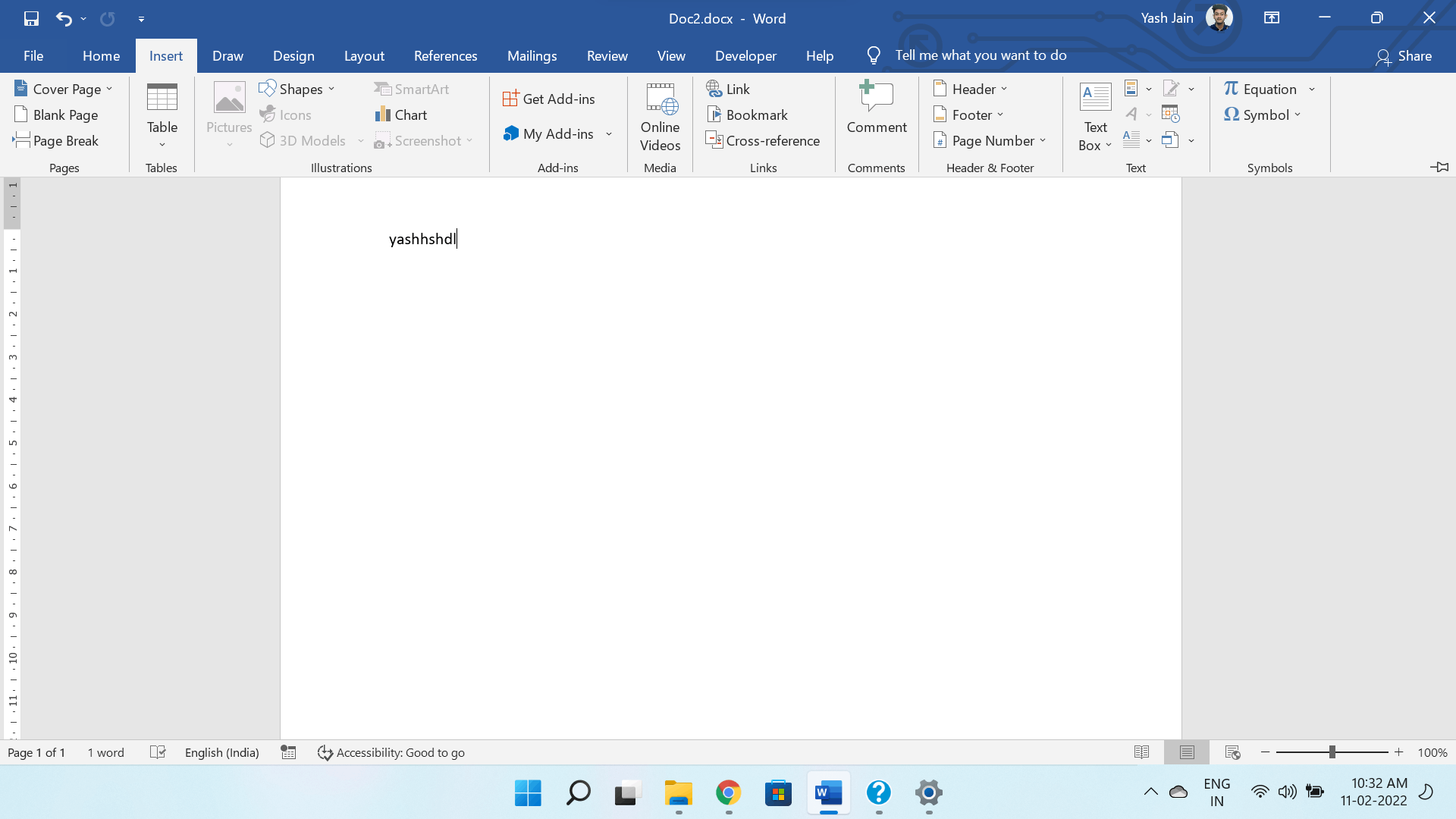
This may soon be outdated:
But it’s unlikely to be replaced by this:
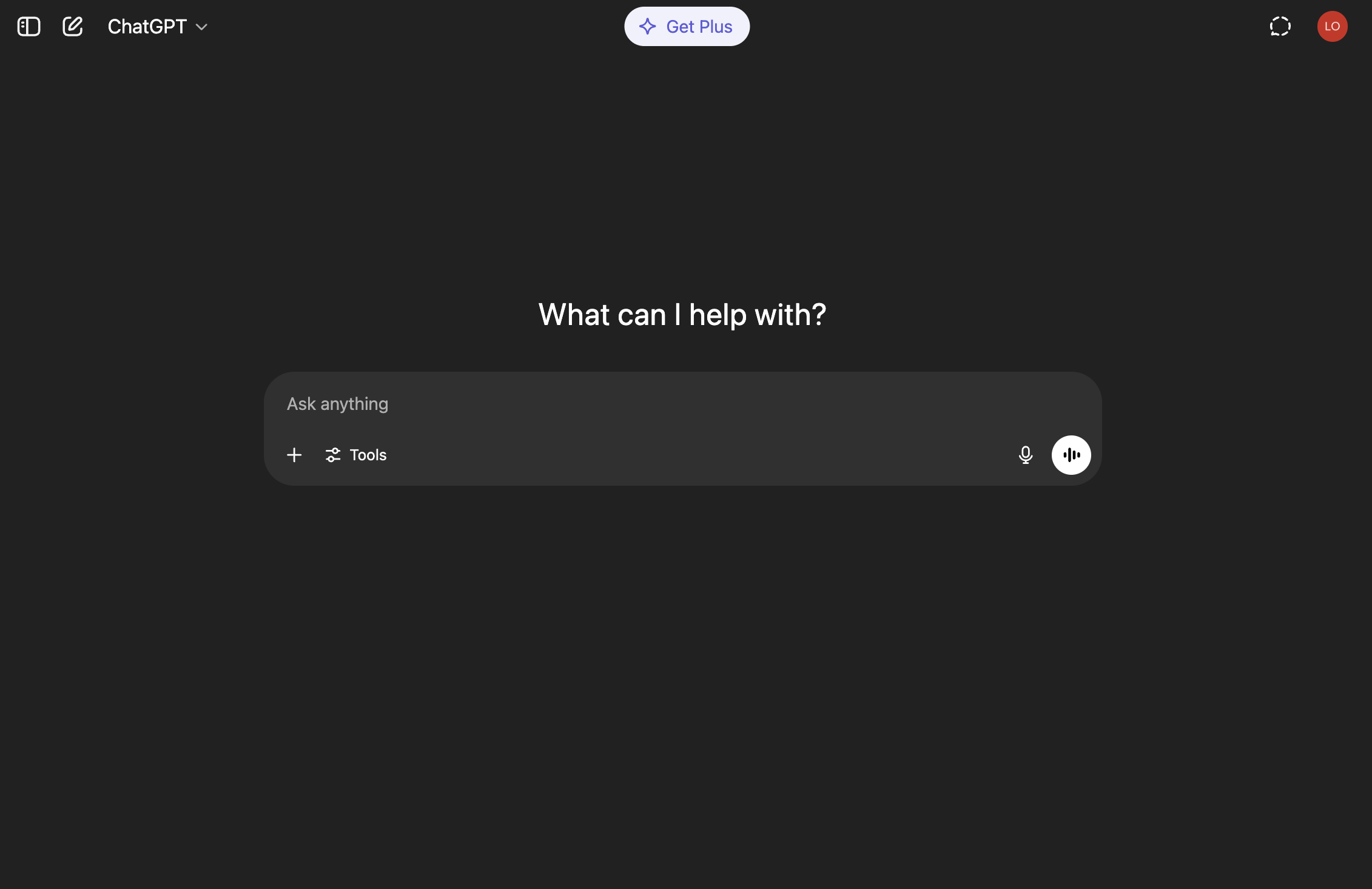
Or at least, if AI really is the future of tools, it probably won’t arrive wearing a chatbot mask - the one that took the world by storm just a few years ago.
Let’s think through this.
Take Word, for instance. When was the last time you started a document without at least checking in with an AI for ideas, a structure, or a template? And if you did start solo, how long before you copied your rough draft into ChatGPT (or your LLM of choice) to get feedback, edit suggestions, or just a nudge?
So the least we can expect is to have that AI companion already there. Present not just in spirit or on another tab, but right inside the interface itself.
Now look at chatbots. The generic ones, the tab-switching kind, that require instructions for every new project. The ones that don’t know what you’re working on, what you’ve written before, or what your app even does. That’s not a sleek user experience.

Word is just an example of this. It’s a much broader matter: how AI may shape and change interfaces.
Or, put differently, how the AI revolution may be, before anything else, an interface revolution.
Let’s pivot to a different example.
I hate pickles. I also hate figuring out how to remove them from burgers in food delivery apps.
Sometimes the customization options appear upfront. Sometimes they’re buried before checkout. Sometimes it’s a list of toggles. Sometimes it’s a freeform text box. Every app a new quest.
What if I could just say what I want? Like: “No pickles. Make it rare. Also, extra crispy fries.”
Natural language. No hunting around in weird menus. No decoding the logic of some designer’s idea of “flow.”
Overall, without discovering and understanding the app but just by typing in my own words.
In this case, AI isn’t the interface itself (like in a chatbot). It’s the medium through which I interact with the app.
I don’t need to go and click around to understand how to customise my order. And the same applies to, say, interpreting a complex data set I’ve been given to analyse or a multi-step process I need to set up for the sales strategy of my company.
Instead of translating my intentions into clicks, I use my words — and the AI translates them into actions. It’s a different paradigm.
This shift means interfaces can become simpler, less crowded, and more intuitive. We don’t need to understand how they work. We just need them to work with us.
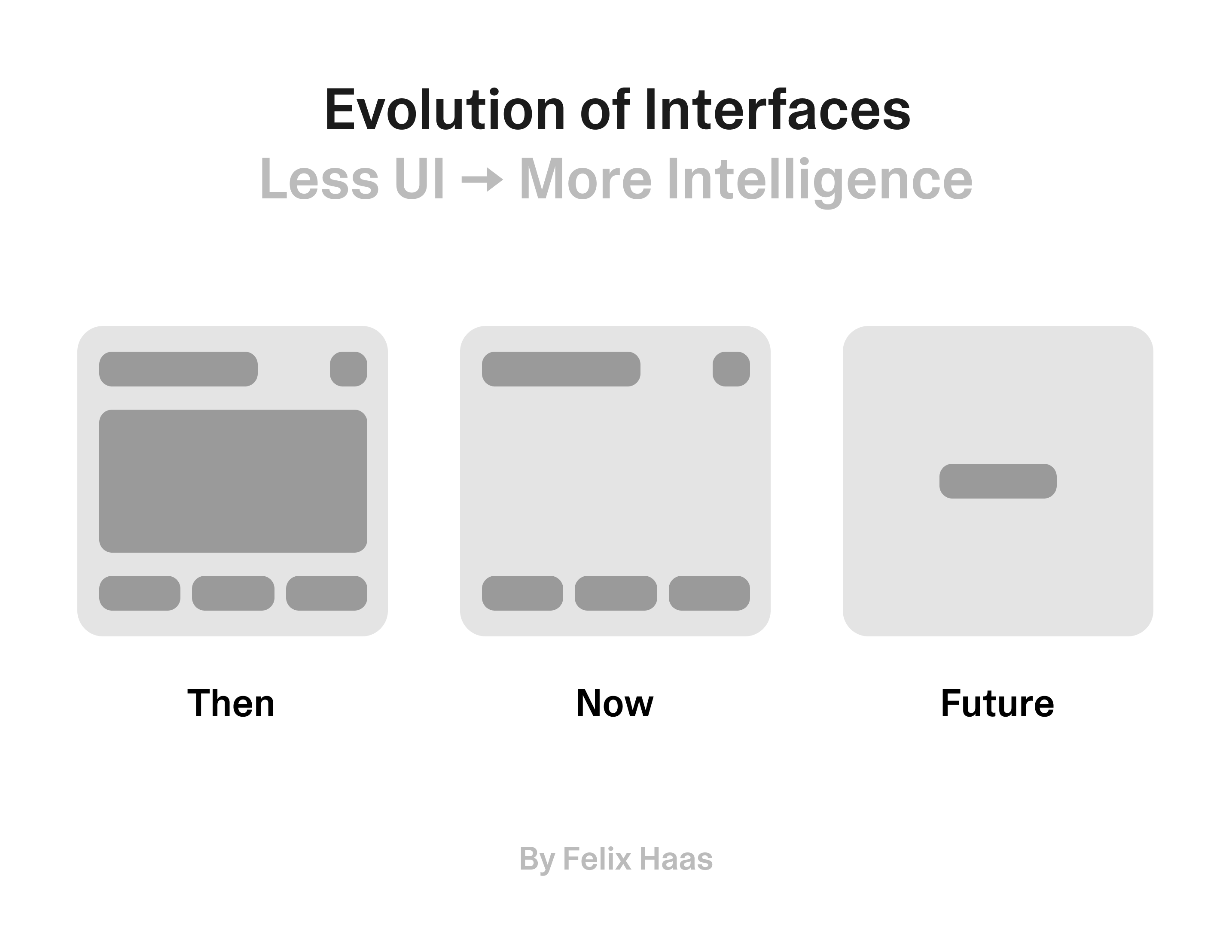
Because not everyone necessarily cares about an interface. We care more about what it lets us do.
You might argue: “Okay, but aren’t these just AI agents? Nothing (too) new.”
Not quite. Agents are the next level - the background operators that respond to context, act autonomously, send emails, book meetings. They’re backstage.
What we’re talking about here is the stage itself. The front-of-house experience. The AI-as-mediator, the one that sits between you and the interface, reshaping how you get things done.
In this framing, AI isn’t about unlocking new capabilities. It’s about reframing old ones — taking the exact same workflows (ordering food, writing a doc, configuring sales tools) and making them smoother.
All of this has some consequences.
Using plain language to interact with technological artifacts should be easier, and could make our lives easier.
This could mean screens that don’t just display things, but respond. Nudge. Adapt.
Like Netflix suggestions - which, let’s face it, were doing AI before it was cool. We could get screens that adapt to our needs and try accompany us towards what is inferred to be our desired outcome.
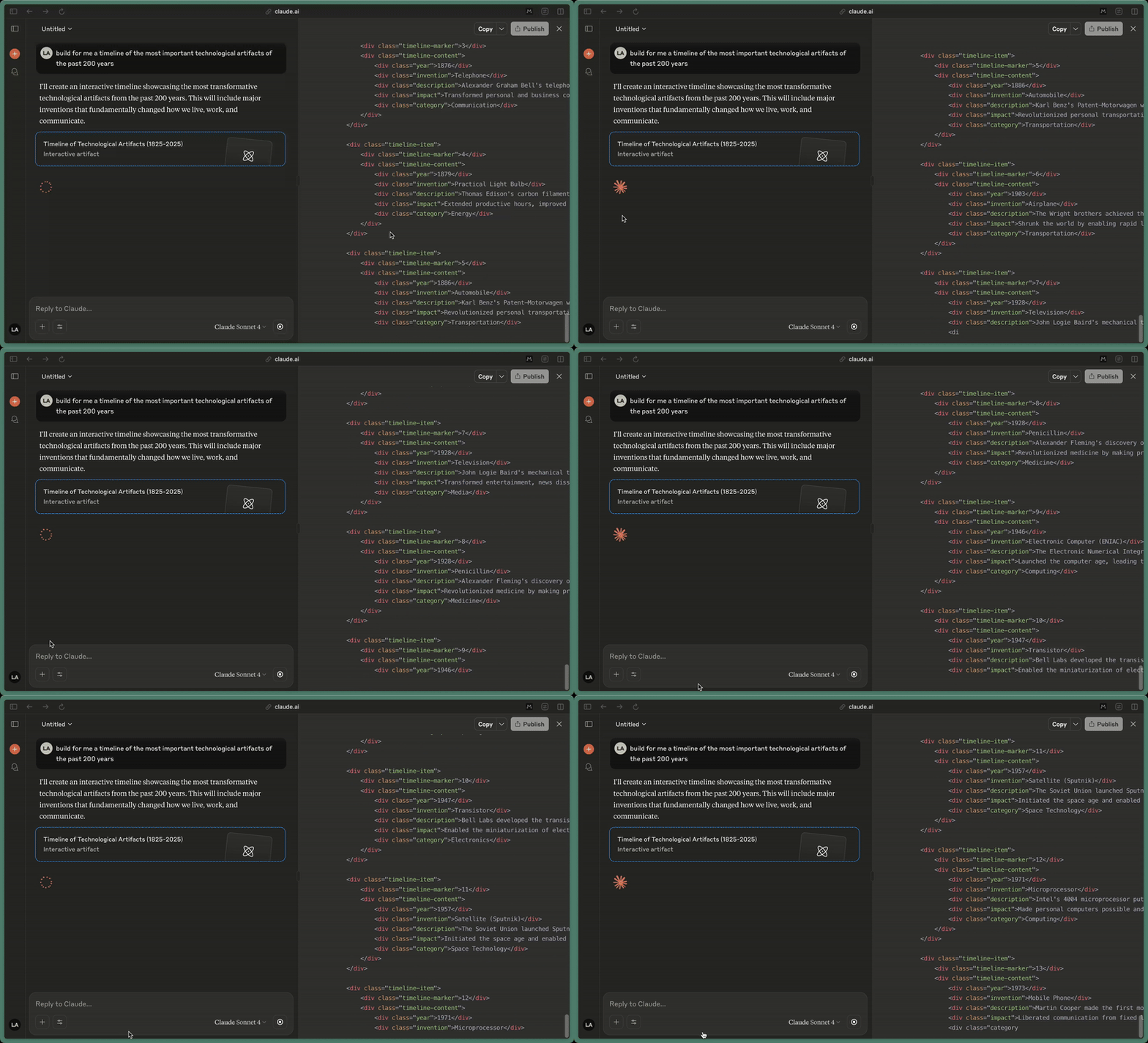
Start a doc on the history of politics? It offers a timeline template. Launch a sales plan? It reminds you of last quarter’s targets.
Of course, there are risks.
Where’s the line of agency? What does the AI get to do without your explicit approval? How do you know what it’s doing? Can you override it? Can you understand why it made the choices it made?
Not only: what control do we have over processes themselves? If the AI I’m using to co-write a document gets to weird conclusions, how can I see and steer it? Explainability is a thing, and has already been in Artifacts !
More importantly, what about failure? What if the AI can’t get rid of the pickles? Do I still have a backup way to manually fix it? Will there still be buttons for when things go sideways?
And, yes, eventually voice might be the final form of this interaction, instead of text. But do we really want to work in offices where everyone is talking out loud to their computer like they’re casting spells? There’ll be time to look into this in future Artifacts.
But let’s not go to some sci-fi singularity.
We may not become radically more efficient beings, but we’re likely to be doing things differently.
Because the way we interface with tools is adapting to a new kind of medium - one that can understand us more directly.
It’s not the chatbot or AI that matters.
It’s what happens when the interface starts speaking our language, thanks to what is in between and mediates the relationship between us and artifacts.
Save for Later
Got thoughts or experience with age verification? Friends need you to answer a couple of questions!
Apple claims that AI is not intelligent. Which is a way to fight when we don’t understand AI.
Why GenAI is not revolutionising governments.
What if non-place are no longer such because of smartphones? And what if travelling is not that great?
Who’s building the open, decentralised web.
If you wanna learn all you need about the protocol changing the Internet.
The Bookshelf
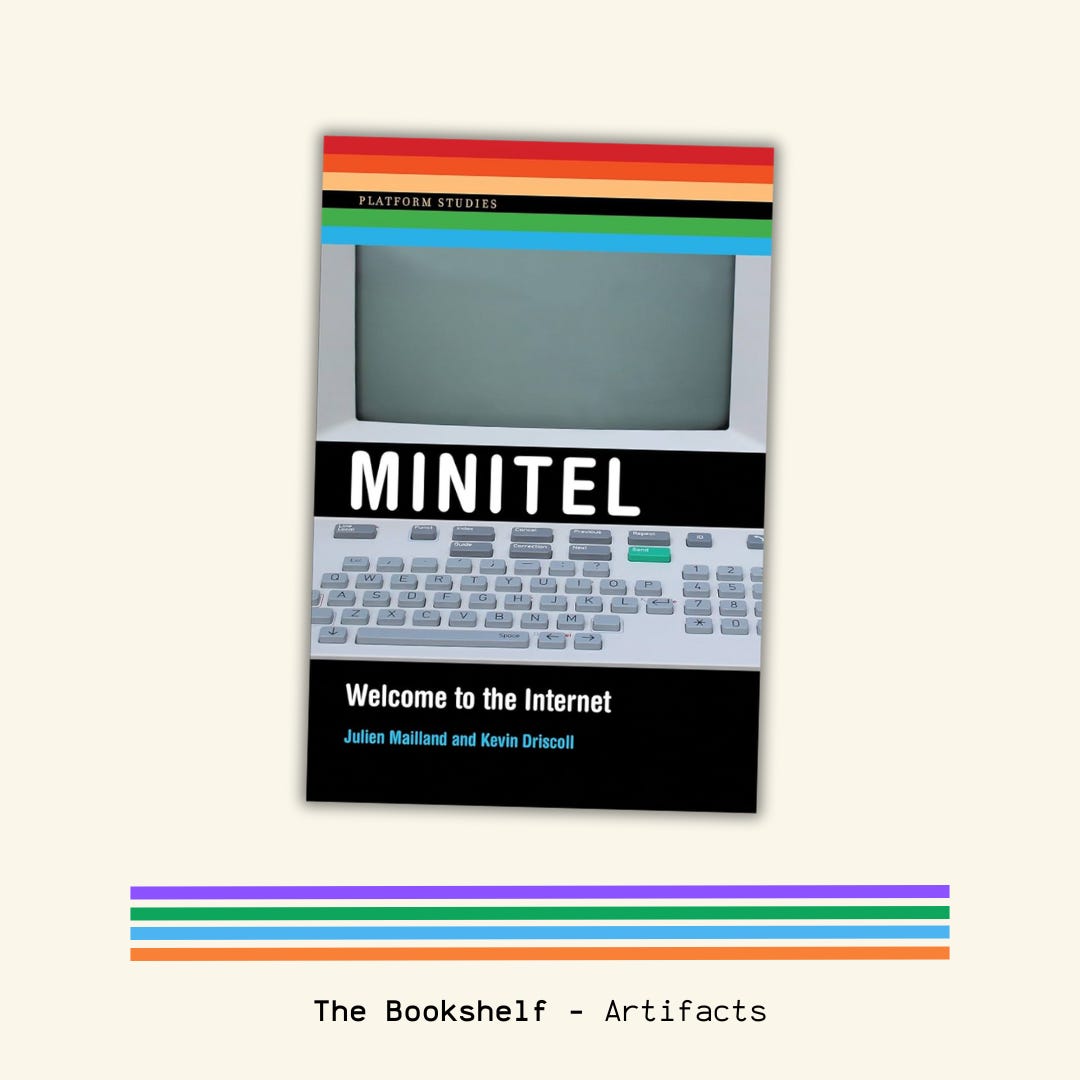
Not the most innovative interface ever, but the Minitel was a first spark of what the Internet could look like and how service creation benefits everyone. And this book is a great story about it.
📚 All the books I’ve read and recommended in Artifacts are here.
Nerding
We used to design interfaces, now you can prompt them with a few words. MagicPath just launched but it’s already enabling people to create the best buttons (if we’ll keep using them) and much more.
We’ve been here before


☕?
If you want to know more about Artifacts, where it all started, or just want to connect...